 English
 Español
 العربية
 हिन्दी


Tấm cách nhiệt tòa nhà
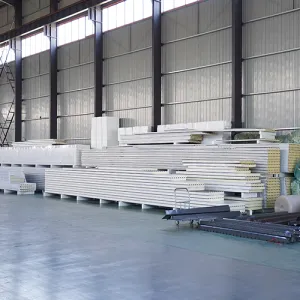
Thermal Insulation Building Panels: Enhancing Energy Efficiency in Construction Thermal insulation building panels are advanced construction materials designed to improve energy efficiency, reduce heat transfer, and enhance the overall comfort of buildings. These panels are widely used in residential, commercial, and industrial structures to minimize energy consumption for heating and cooling, thereby lowering utility costs and reducing environmental impact. Composition and Types Thermal insulation panels typically consist of a core insulating material sandwiched between two rigid layers, such as metal, plywood, or fiber cement. The core material plays a crucial role in determining the panel’s thermal performance. Common insulation materials include: - Expanded Polystyrene (EPS): Lightweight, cost-effective, and offers good thermal resistance. - Extruded Polystyrene (XPS): Higher density and moisture resistance compared to EPS. - Polyurethane (PUR) & Polyisocyanurate (PIR): Excellent thermal performance with high R-values per inch. - Mineral Wool: Fire-resistant and provides both thermal and acoustic insulation. - Phenolic Foam: High fire resistance and low thermal conductivity. Depending on the application, these panels can be classified into: - Wall Insulation Panels: Used for exterior or interior walls to prevent heat loss. - Roof Insulation Panels: Designed to reflect solar radiation and retain indoor warmth. - Floor Insulation Panels: Installed beneath flooring to reduce heat transfer. Key Benefits 1. Energy Efficiency: By minimizing heat exchange, these panels significantly reduce reliance on HVAC systems, leading to lower energy bills. 2. Quick Installation: Prefabricated panels are lightweight and easy to assemble, speeding up construction timelines. 3. Durability: High-quality panels resist moisture, mold, and pests, ensuring long-term performance. 4. Fire Resistance: Certain materials like mineral wool and phenolic foam enhance fire safety. 5. Environmental Sustainability: Improved energy efficiency reduces carbon emissions, supporting green building initiatives. Applications Thermal insulation panels are versatile and suitable for: - Residential Buildings: Improving thermal comfort in homes. - Cold Storage Facilities: Maintaining consistent temperatures in warehouses. - Industrial Structures: Reducing energy costs in factories and workshops. - Commercial Spaces: Enhancing climate control in offices and retail spaces. Conclusion Thermal insulation building panels are a smart investment for modern construction, offering energy savings, durability, and environmental benefits. As sustainable building practices gain momentum, these panels will continue to play a vital role in creating energy-efficient structures worldwide.
Sản phẩm
Danh mục:
-
Gạch nhôm cách nhiệt nhẹ
Phân loại của họ: Gạch nhôm cách nhiệtLượt xem: 9Số:Thời gian phát hành: 2025-10-23 16:09:48Gạch nhôm cách nhiệt nhẹ cung cấp giải pháp hiệu quả và bền bỉ cho các dự án xây dựng hiện đại, kết hợp hiệu suất nhiệt vượt trội với khả năng chống ăn mòn và lắp đặt dễ dàng. Được thiết kế để giảm mức tiêu thụ năng lượng và cải thiện sự thoải mái trong nhà, những loại gạch này rất lý tưởng cho các ứng dụng dân dụng, thương mại và công nghiệp. Cấu trúc nhẹ của chúng giúp đơn giản hóa việc xử lý và lắp đặt, trong khi bề mặt nhôm đảm bảo độ bền lâu dài và ít phải bảo trì. Được chứng nhận về khả năng chống cháy và tiết kiệm năng lượng, những loại gạch này mang đến lựa chọn bền vững và tiết kiệm chi phí cho các kiến trúc sư, nhà thầu và nhà xây dựng đang tìm kiếm vật liệu cách nhiệt hiệu suất cao.
Tin tức
Danh mục:
-
[Company News]Lợi ích gạch nhôm cách nhiệt hai lớp cho ngôi nhà tiết kiệm...
2025-10-29 15:45:52 -
[Industry News]Lựa chọn tấm lợp nhôm cách nhiệt tốt nhất cho công trình của...
2025-11-03 08:15:14
Trường hợp
Danh mục:
Không có kết quả tìm kiếm!
Video
Danh mục:
Không có kết quả tìm kiếm!
Tải về
Danh mục:
Không có kết quả tìm kiếm!
Tuyển dụng
Danh mục:
Không có kết quả tìm kiếm!
Sản phẩm được đề xuất
Không có kết quả tìm kiếm!



 Điện thoại