 English
 Español
 العربية
 हिन्दी


Gạch nhôm cách nhiệt và cách âm
Thermal and Acoustic Aluminum Tiles: A Comprehensive Overview Thermal and acoustic aluminum tiles are innovative building materials designed to enhance energy efficiency and sound insulation in modern construction. These tiles combine the lightweight, durable properties of aluminum with advanced engineering to address two critical challenges in architecture: thermal regulation and noise control. Material Composition and Structure Aluminum tiles are typically fabricated from high-grade aluminum alloys, ensuring strength, corrosion resistance, and longevity. The tiles often feature a multi-layered structure, including: 1. Core Layer: A thermally insulating material (e.g., mineral wool, foam, or aerogel) to minimize heat transfer. 2. Perforated Surface: Micro-perforations or textured patterns to absorb and diffuse sound waves. 3. Reflective Coating: A polished or coated surface to reflect radiant heat, improving thermal performance. Thermal Performance Aluminum’s natural thermal conductivity is mitigated through composite designs that incorporate insulating layers. These tiles help regulate indoor temperatures by: - Reflecting Heat: The outer aluminum layer reflects solar radiation, reducing cooling loads in warm climates. - Blocking Heat Transfer: The insulating core minimizes conductive heat flow, maintaining stable indoor temperatures. This dual-action makes them ideal for roofs, walls, and facades in both residential and commercial buildings, contributing to energy savings and compliance with green building standards. Acoustic Benefits The tiles excel in noise reduction through: - Sound Absorption: Perforations or porous layers trap sound waves, reducing echo and reverberation. - Sound Blocking: Dense aluminum layers act as barriers to airborne noise (e.g., traffic, machinery). Applications include offices, theaters, industrial facilities, and urban residences where noise pollution is a concern. Advantages Over Traditional Materials - Lightweight: Easier to install than stone or concrete. - Durability: Resistant to moisture, fire, and UV degradation. - Aesthetic Flexibility: Available in various finishes (anodized, powder-coated) to suit architectural styles. - Sustainability: Aluminum is recyclable, supporting eco-friendly construction. Applications Common uses include: - Ceilings and Walls: For offices, airports, and auditoriums. - Exterior Cladding: To improve thermal insulation and weather resistance. - Industrial Spaces: For machinery enclosures or factories requiring noise control. Conclusion Thermal and acoustic aluminum tiles offer a versatile, high-performance solution for modern construction needs. By integrating thermal insulation and soundproofing into a single, durable material, they address energy efficiency and acoustic comfort without compromising design. Their adaptability makes them a preferred choice for sustainable and noise-sensitive environments worldwide.
Sản phẩm
Danh mục:
-
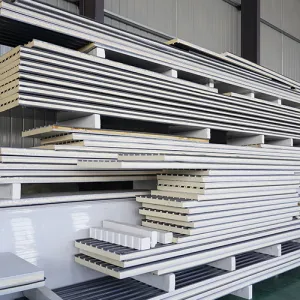
Gạch nhôm cách nhiệt composite
Phân loại của họ: Gạch nhôm cách nhiệtLượt xem: 12Số:Thời gian phát hành: 2025-10-28 09:39:39Nâng cấp hiệu quả sử dụng năng lượng và bảo vệ cấu trúc của tòa nhà bằng Gạch nhôm cách nhiệt composite. Những viên gạch hiệu suất cao này kết hợp bề mặt nhôm bền bỉ với lõi cách nhiệt tiên tiến để mang lại khả năng bảo vệ nhiệt, cách âm và chống ẩm vượt trội. Nhẹ, chống ăn mòn và dễ lắp đặt, chúng lý tưởng cho các ứng dụng dân dụng, thương mại và công nghiệp. Nâng cao sự thoải mái trong nhà, giảm chi phí năng lượng và kéo dài tuổi thọ của tường và mái nhà bằng gạch nhôm cách nhiệt composite.
Tin tức
Danh mục:
Không có kết quả tìm kiếm!
Trường hợp
Danh mục:
Không có kết quả tìm kiếm!
Video
Danh mục:
Không có kết quả tìm kiếm!
Tải về
Danh mục:
Không có kết quả tìm kiếm!
Tuyển dụng
Danh mục:
Không có kết quả tìm kiếm!
Sản phẩm được đề xuất
Không có kết quả tìm kiếm!



 Điện thoại