 English
 Español
 العربية
 हिन्दी


Gạch nhôm chịu nhiệt
Heat-Resistant Aluminum Tiles: Properties and Applications Heat-resistant aluminum tiles are advanced engineered materials designed to withstand high temperatures while maintaining structural integrity, lightweight properties, and corrosion resistance. These tiles are widely used in industries where thermal management and durability are critical, such as aerospace, automotive, construction, and energy sectors. Material Composition and Properties Heat-resistant aluminum tiles are typically made from high-performance aluminum alloys, often reinforced with ceramic particles or other heat-resistant additives. These alloys are engineered to retain strength at elevated temperatures, unlike standard aluminum, which softens and loses mechanical properties under heat. Key characteristics include: 1. High Thermal Stability: The tiles can endure temperatures ranging from 300°C to over 600°C, depending on the alloy and coating technology. 2. Low Thermal Expansion: Their controlled expansion rate minimizes warping or deformation under thermal stress. 3. Lightweight: Aluminum’s low density makes these tiles ideal for applications where weight reduction is crucial, such as in aircraft or vehicles. 4. Corrosion Resistance: Protective oxide layers or specialized coatings enhance resistance to oxidation and chemical degradation. 5. Reflectivity: Aluminum’s natural reflectivity helps deflect radiant heat, improving thermal insulation. Manufacturing Techniques Advanced methods such as powder metallurgy, anodizing, or thermal spraying are used to produce these tiles. Some are coated with ceramic layers (e.g., alumina or zirconia) to further enhance heat resistance. Precision machining ensures tight tolerances for seamless integration into complex systems. Applications 1. Aerospace: Used in engine compartments, heat shields, and spacecraft components to protect sensitive parts from extreme heat. 2. Automotive: Applied in exhaust systems, turbochargers, and brake components to manage heat dissipation. 3. Construction: Serve as fire-resistant cladding or roofing materials in high-temperature environments. 4. Industrial Equipment: Ideal for furnaces, boilers, and heat exchangers due to their durability and thermal conductivity. 5. Energy Sector: Used in solar thermal systems and nuclear facilities for heat reflection and insulation. Advantages Over Alternatives Compared to steel or titanium, heat-resistant aluminum tiles offer superior weight savings without sacrificing performance. They are also more cost-effective and easier to fabricate than refractory metals. Additionally, their recyclability aligns with sustainability goals. Conclusion Heat-resistant aluminum tiles represent a versatile solution for high-temperature applications, combining the inherent benefits of aluminum with enhanced thermal properties. Their adaptability across industries underscores their importance in modern engineering and technology. Future advancements may focus on nano-coatings or hybrid composites to push performance limits further.
Sản phẩm
Danh mục:
-
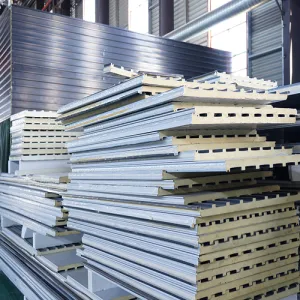
Gạch nhôm cách nhiệt
Phân loại của họ: Gạch nhôm cách nhiệtLượt xem: 11Số:Thời gian phát hành: 2025-10-28 10:24:45Nâng cao hiệu quả xây dựng và sự thoải mái với Gạch nhôm cách nhiệt. Với bề mặt nhôm bền và lõi cách nhiệt tiên tiến, những viên gạch này mang lại khả năng chịu nhiệt vượt trội, tiết kiệm năng lượng và độ bền lâu dài. Lý tưởng cho các ứng dụng dân dụng, thương mại và công nghiệp, chúng có khả năng lắp đặt dễ dàng, chống ăn mòn và hiệu suất nhiệt đáng tin cậy quanh năm.
Tin tức
Danh mục:
-
[Industry News]Gạch nhôm cách nhiệt hai lớp có đặc tính phản xạ nhiệt
2025-11-08 08:16:20 -
[Industry News]How to maintain heat-insulating aluminum roofing sheets
2025-11-28 08:49:19
Trường hợp
Danh mục:
Không có kết quả tìm kiếm!
Video
Danh mục:
Không có kết quả tìm kiếm!
Tải về
Danh mục:
Không có kết quả tìm kiếm!
Tuyển dụng
Danh mục:
Không có kết quả tìm kiếm!
Sản phẩm được đề xuất
Không có kết quả tìm kiếm!



 Điện thoại