
How to Troubleshoot Common Issues with Lightweight Thermal Insulation Aluminum Roofing Sheets
Industry Background and Market Demand
Lightweight thermal insulation aluminum roofing sheets have gained prominence in commercial and industrial construction due to their durability, energy efficiency, and ease of installation. The global push toward sustainable building materials has accelerated demand, particularly in regions with extreme weather conditions. These sheets combine aluminum’s corrosion resistance with advanced insulation layers, reducing heat transfer and improving energy efficiency.
However, despite their advantages, improper installation, material defects, or environmental factors can lead to performance issues. Addressing these challenges requires a systematic approach to troubleshooting, ensuring long-term structural integrity and thermal efficiency.
Core Concepts and Key Technologies
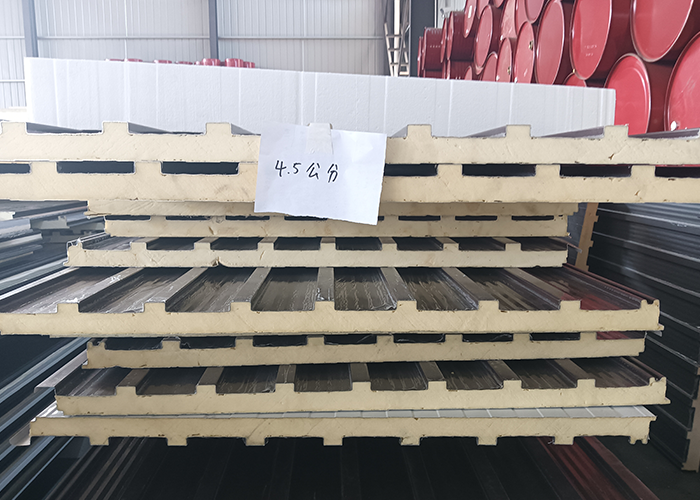
Lightweight thermal insulation aluminum roofing sheets consist of multiple layers:
- Outer Aluminum Layer: Provides weather resistance and structural strength.
- Thermal Barrier: Typically made of polyurethane (PU), polystyrene (EPS), or mineral wool to minimize heat transfer.
- Inner Aluminum Layer: Enhances rigidity and reflects radiant heat.
The sheets are manufactured through roll-forming or continuous lamination, ensuring uniform thickness and insulation properties. Advanced coatings, such as PVDF (polyvinylidene fluoride), improve UV resistance and color retention.
Critical Factors Affecting Performance
1. Material Quality: Substandard aluminum or insulation cores compromise durability and thermal efficiency.
2. Installation Errors: Improper fastening, insufficient overlap, or incorrect sealing lead to leaks and thermal bridging.
3. Environmental Stress: Extreme temperatures, UV exposure, and chemical pollutants degrade coatings and insulation.
4. Structural Load Capacity: Inadequate support or excessive snow/wind loads cause deformation or failure.
Supplier and Supply Chain Considerations
Selecting a reliable supplier involves evaluating:
- Material Certifications: Compliance with ASTM, EN, or ISO standards for aluminum and insulation.
- Manufacturing Process: Automated production reduces defects compared to manual fabrication.
- Technical Support: Suppliers offering installation guidance and troubleshooting assistance minimize post-deployment issues.
Common Issues and Troubleshooting Solutions
1. Condensation and Moisture Buildup
Cause: Poor vapor barrier installation or thermal bridging.
Solution: Ensure proper sealing at joints and use breathable membranes to allow moisture escape.
2. Thermal Inefficiency
Cause: Low-quality insulation or gaps between panels.
Solution: Verify insulation density (≥40 kg/m³ for PU) and use thermal break strips to prevent heat transfer.
3. Panel Warping or Buckling
Cause: Thermal expansion or inadequate fastening.
Solution: Allow expansion gaps (3–5 mm per meter) and use corrosion-resistant screws with neoprene washers.
4. Coating Degradation
Cause: UV exposure or chemical corrosion.
Solution: Specify PVDF-coated sheets (≥70% PVDF content) for harsh environments.
5. Noise Transmission
Cause: Insufficient damping material.
Solution: Integrate sound-absorbing layers (e.g., mineral wool) during installation.
Application Scenarios and Case Studies
- Warehouses and Logistics Centers: Lightweight aluminum roofing reduces cooling costs in large, uninsulated spaces.
- Cold Storage Facilities: High-density PU insulation maintains consistent temperatures.
- Residential Roofing: Reflective coatings lower energy consumption in hot climates.
A European automotive plant reported a 20% reduction in HVAC costs after replacing traditional roofing with insulated aluminum sheets, demonstrating the material’s long-term ROI.
Current Trends and Future Developments
1. Smart Roofing: Integration of solar-reflective coatings and embedded sensors for real-time thermal monitoring.
2. Recyclable Materials: Increased use of recycled aluminum and bio-based insulation to meet sustainability targets.
3. Modular Systems: Prefabricated panels with interlocking designs for faster installation.
FAQ Section
Q: How long do insulated aluminum roofing sheets last?
A: Properly maintained sheets can last 30–50 years, depending on environmental conditions and coating quality.
Q: Can these sheets be retrofitted over existing roofs?
A: Yes, but structural assessments are necessary to ensure load capacity and proper insulation continuity.
Q: What maintenance is required?
A: Annual inspections for sealant integrity, debris removal, and coating touch-ups (if damaged).
Conclusion
Lightweight thermal insulation aluminum roofing sheets offer significant advantages but require precise installation and material selection. By addressing common issues proactively, engineers and contractors can maximize performance, ensuring energy efficiency and structural longevity. As the industry evolves, innovations in smart coatings and sustainable materials will further enhance their applicability.
(Word count: 1,280)
Người liên hệ: Wang Ye
ĐT: +86 158 33457666
Email: 944713874@qq.com
Địa chỉ: Phía nam đường cao tốc Yuxin, làng Dongxian, thị trấn Yahongqiao, huyện Yutian, thành phố Đường Sơn, tỉnh Hà Bắc
Tìm kiếm


Bản quyền © 2025 Công ty TNHH Công nghệ Đường Sơn Juze. Bảo lưu mọi quyền
Trang web này sử dụng cookie để đảm bảo bạn có được trải nghiệm tốt nhất trên trang web của chúng tôi.
 English
 Español
 العربية
 हिन्दी



 Điện thoại
Bình luận
(0)