
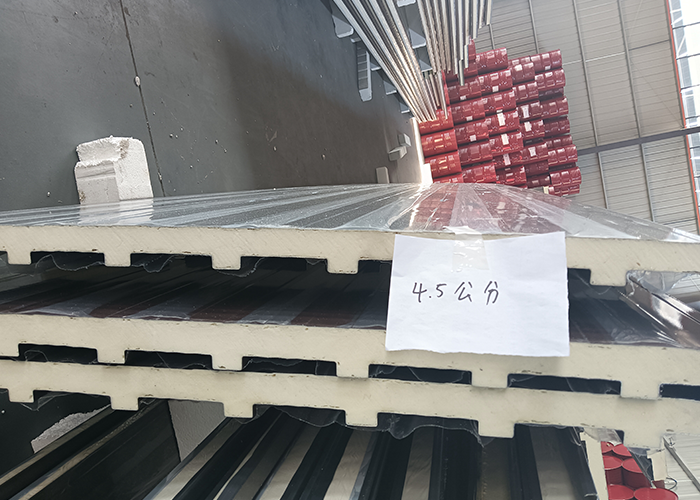
How to Enhance Building Comfort with Aluminum Roof Insulation
Industry Background and Market Demand
The demand for energy-efficient building solutions has surged in recent years, driven by stricter environmental regulations and rising energy costs. Among the most critical components of a building’s thermal performance is roof insulation, which significantly impacts indoor comfort and energy consumption. Aluminum roof insulation, in particular, has gained traction due to its superior thermal reflectivity, durability, and lightweight properties.
In commercial and industrial settings, where large roof surfaces are common, aluminum-based insulation helps mitigate heat gain, reducing reliance on HVAC systems. The global market for reflective insulation materials is projected to grow at a steady pace, with aluminum playing a key role in meeting sustainability goals.
Core Concept: How Aluminum Roof Insulation Works
Aluminum roof insulation primarily functions through radiant heat reflection rather than absorption. Unlike traditional bulk insulation materials (e.g., fiberglass or mineral wool), which slow conductive heat transfer, aluminum reflects up to 97% of radiant heat, preventing it from penetrating the building envelope.
A typical system consists of:
- Aluminum foil layers (often laminated to substrates like foam or bubble wrap)
- Air gaps to enhance thermal resistance
- Vapor barriers to prevent moisture buildup
This design ensures optimal thermal performance while maintaining structural integrity.
Product Structure, Materials, and Manufacturing
1. Material Composition
- Aluminum Foil: High-purity (99.4% or higher) aluminum with a reflective surface.
- Core Materials: Polyethylene foam, fiberglass, or bubble film for added insulation.
- Reinforcements: Woven scrim or polyester films for tear resistance.
2. Manufacturing Process
- Lamination: Aluminum foil is bonded to core materials using adhesives or heat-sealing.
- Perforation (if needed): For breathability in moisture-prone environments.
- Quality Testing: Reflectivity, tensile strength, and fire resistance are verified.
Key Factors Affecting Performance
1. Reflectivity and Emissivity
- High reflectivity (≥90%) is critical for heat rejection.
- Low emissivity ensures minimal heat re-radiation.
2. Installation Quality
- Proper sealing at seams prevents thermal bridging.
- Air gaps must be maintained for maximum efficiency.
3. Durability
- UV resistance prevents degradation in exposed applications.
- Corrosion-resistant coatings extend lifespan in humid climates.
4. Fire Safety
- ASTM E84 or EN 13501-1 compliance ensures non-combustibility.
Supplier Selection Criteria
When sourcing aluminum roof insulation, consider:
- Certifications: ISO 9001, ASTM standards, and LEED compliance.
- Customization: Ability to tailor thickness, width, and facing materials.
- Logistics: Suppliers with regional warehouses reduce lead times.
Common Challenges and Solutions
1. Condensation Risks
- Problem: Improper vapor barriers lead to moisture accumulation.
- Solution: Use perforated or breathable foil laminates in humid climates.
2. Thermal Bridging
- Problem: Metal fasteners conduct heat, reducing insulation efficiency.
- Solution: Install thermal break pads or use non-conductive fasteners.
3. Cost vs. Performance Trade-offs
- Problem: Higher reflectivity grades may increase material costs.
- Solution: Conduct lifecycle cost analysis to justify long-term energy savings.
Applications and Case Studies
1. Warehouses and Factories
- A logistics hub in Germany reduced cooling costs by 22% after installing aluminum-reflective insulation.
2. Residential Roof Retrofits
- In Arizona, homeowners reported a 15–20% drop in summer cooling loads with reflective underlayment.
3. Cold Storage Facilities
- Aluminum-faced insulation maintains consistent temperatures while preventing condensation.
Current Trends and Future Outlook
1. Smart Insulation Integration
- Phase-change materials (PCMs) combined with reflective foils for adaptive thermal control.
2. Sustainability Push
- Increased use of recycled aluminum in foil production.
3. Hybrid Systems
- Combining radiant barriers with bulk insulation for all-season performance.
FAQ Section
Q: Can aluminum roof insulation be used in cold climates?
A: Yes, when paired with bulk insulation, it prevents heat loss by reflecting interior warmth back inside.
Q: How does it compare to spray foam insulation?
A: Aluminum insulation excels in radiant heat rejection, while spray foam is better for air sealing. A hybrid approach is often optimal.
Q: What is the typical lifespan?
A: Properly installed systems last 20–30 years, with minimal maintenance required.
Conclusion
Aluminum roof insulation offers a high-performance solution for improving building comfort while cutting energy costs. By understanding material properties, installation best practices, and emerging trends, architects and contractors can optimize thermal efficiency across diverse climates. As regulations tighten and technology advances, its role in sustainable construction will only expand.
(Word count: 1,280)
Người liên hệ: Wang Ye
ĐT: +86 158 33457666
Email: 944713874@qq.com
Địa chỉ: Phía nam đường cao tốc Yuxin, làng Dongxian, thị trấn Yahongqiao, huyện Yutian, thành phố Đường Sơn, tỉnh Hà Bắc
Tìm kiếm


Bản quyền © 2025 Công ty TNHH Công nghệ Đường Sơn Juze. Bảo lưu mọi quyền
Trang web này sử dụng cookie để đảm bảo bạn có được trải nghiệm tốt nhất trên trang web của chúng tôi.
 English
 Español
 العربية
 हिन्दी



 Điện thoại
Bình luận
(0)